
Have you fallen in love with a dachshund?
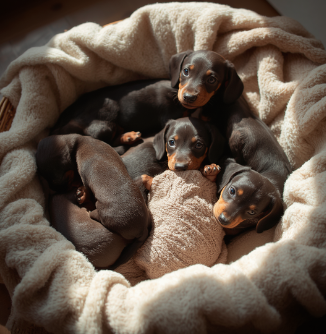
Our rescue has noticed a sharp increase in the number of dachshunds (also called doxies, sausage or ‘wiener' dogs), including pregnant dogs and mums with newborns, being abandoned or dumped into shelters. So we figured it was time to upload our blog about these great little dogs!
The biggest rise in popularity is with people wanting dachshunds that are called ‘dapple’, although the really this is ‘merle’, a colouring you may have seen in Collies like Shelties and Aussie Shepherds as it can occur naturally in a litter, which is (ethically or not) one of their breeds’ standard colours.
However, we are now seeing it deliberately bred into Dachshunds, Whippets, Chis, Poms, French bulldogs and other bully breeds for ‘fashion’ reasons. And Spaniels should never have merle patterns as it has never occurred ‘naturally’ in the breed: the Kennel Club would not allow registry of such dogs due to serious health issues. There is no actual functional purpose in having a merle dog, it’s purely for the aesthetics. The striking coat colour (and often blue eyes) is a genetic mutuation (the M gene) forced by selective breeding in most breeds. And if a Dachshund is ‘dapple’, all the health conditions that follow are a lot more likely as well as a possibility of having very sensitive skin that is even prone to sunburn through the lighter fur and on unprotected bellies and paws. All because people want a ‘prettier’ Dachshund.
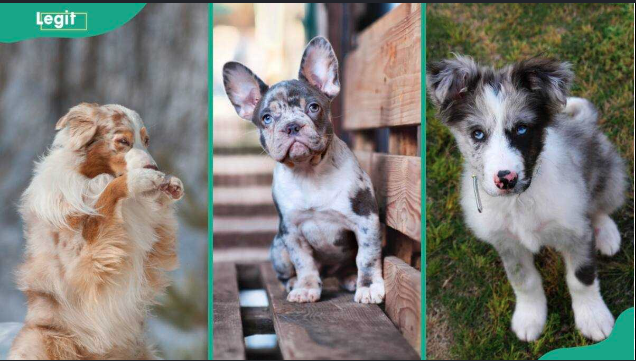
For more merle breeds, both ‘naturally’ occurring and selectively bred, check out this blog. https://www.legit.ng/ask-legit/1592414-what-merle-dogs-breeds-what-them/
Back yard breeders (greeders) and puppy mills often try to guarantee this new ‘fashionable’ colour even in breeds that do not take well to the colouring to make more money, by breeding two ‘merle’ dogs. This is how you get often severely disabled dogs that may also be deaf and blind, sometimes with deformed eyes or no eyes at all.
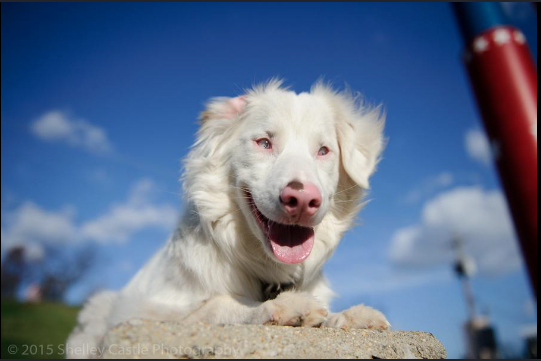
This is a disabled ‘double merle’ dog. He has very small, blind eyes and is also deaf. https://www.dogingtonpost.com/double-merle-dogs-a-lethal-genetic-combo-thats-totally-preventable/ Use this link to discover the dangers of breeding double merle dogs.
While we can’t deny it is a beautiful colouring, it has a whole host of issues and problems because of inbreeding. And it always worries us when we see a dog breed or colour become ‘fashionable', as many people take them on not knowing the breed or the dangers just because they look cute.
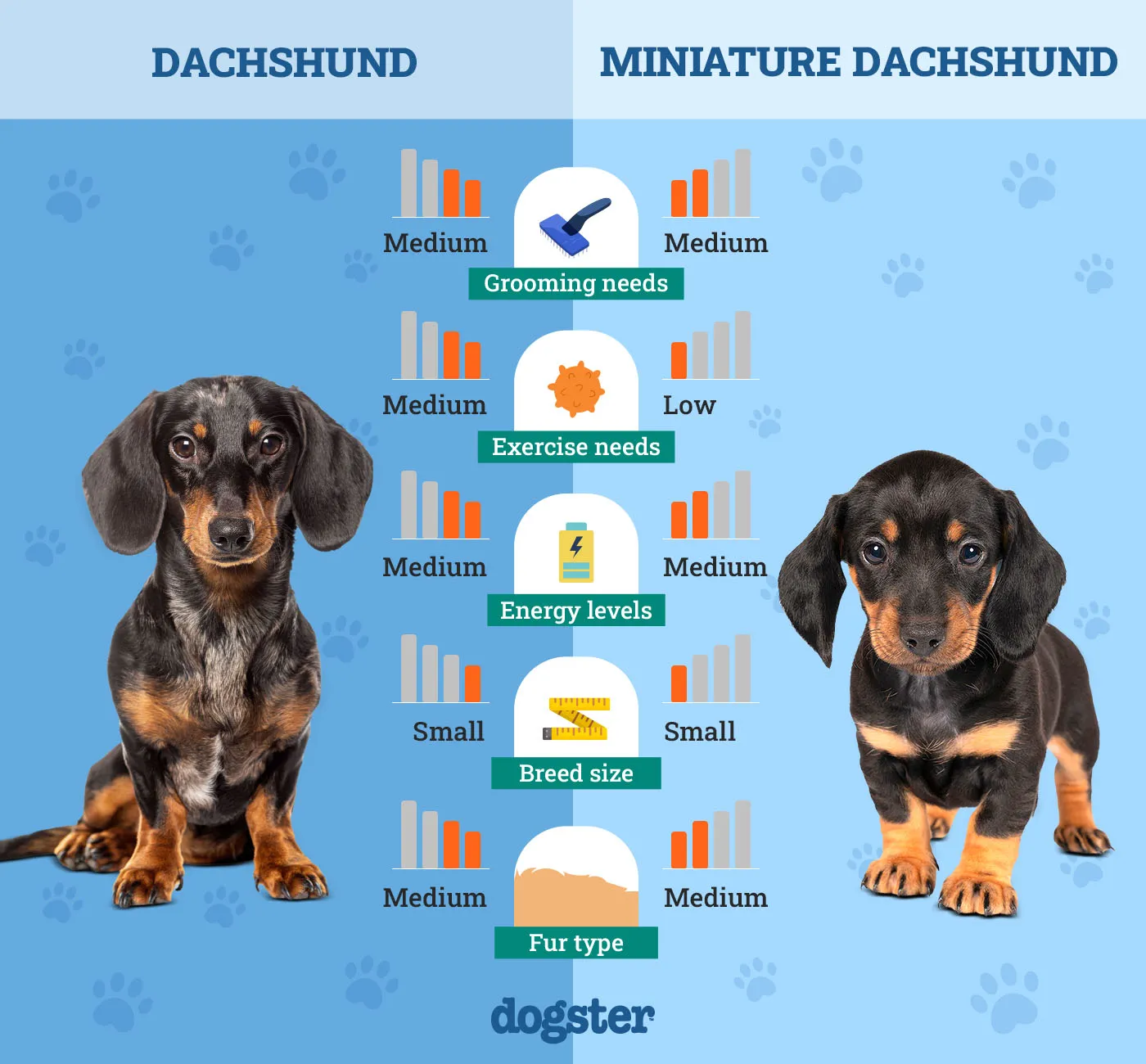
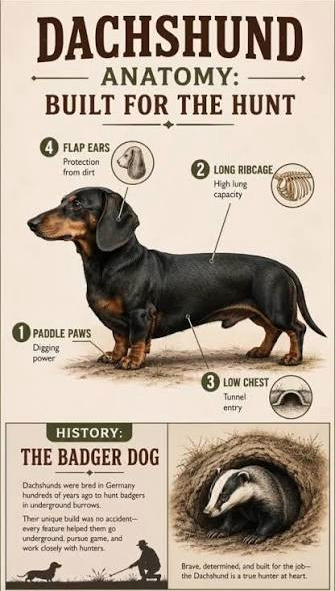
‘Dachshund’ literally means ‘badger hound’ (from German): they were bred as far back as the 15th century (1400s) to scent, chase and root out animals like badgers (standard size) and smaller prey animals (miniature)
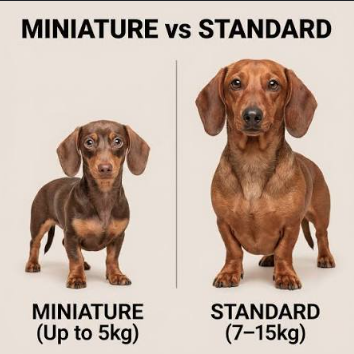
who are much bigger than them from their burrows! However their needs and natures tend to be similar. (And there’s even a super mini version, called ‘kaninchen’ who tend to be under 3.5kg and were bred specifically bred for burrowing out and hunting rabbits.)
They love (and have been bred, for over 500 YEARS) to dig, and bark (a lot! And they often have a very deep rumbly bark for their size) when they scent out prey or want to alert (see our blog on barking) and have no fear.
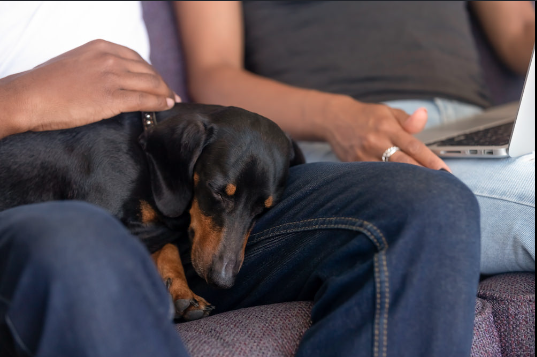
They are usually independent and bold by nature, and like to do their own thing as much as have a cuddle. Does this sound like a dog who’d be happy only being a babied lap dog all day, with no walks or active enrichment? Without regular breed appropriate activity they will become neurotic and over clingy which a lot of humans mistake for love. Dachshunds are small dogs, but they are not a toy (breed) despite their small size. They were bred for stamina to work, for hours, every day.
Many dogs also end up in rescue because they have failed the above breed tests for ‘desirable’ behaviours, so may have the opposite tendencies- the most common one being a high level of fear to address- often a dog that wants to cuddle all the time for example is actually being what we call a limpet, and it's not healthy behaviour as it’s a type of fear bonding (see our ‘Limpeting’ blog for more information on this). An unethical breeder will dump puppies that don’t follow breed standards, or fob them off onto unsuspecting people.
But if you don’t know what they’re ‘meant’ to be like, or how they are different to ‘normal’ Dachshund traits, how are you supposed to provide a suitable environment whether they follow breed ‘ideals’ or not?
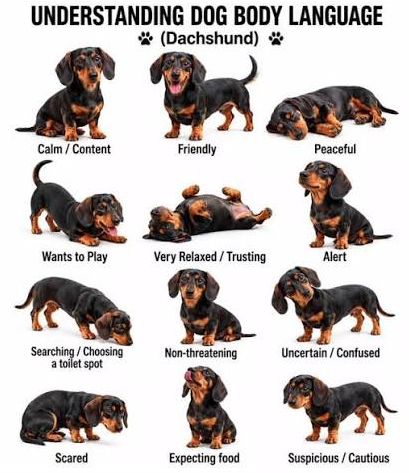
When people go to a backyard breeder, the dogs have been bred with no health certificates and the poor puppies end up with the worst combination of conditions- in temperament as well as mental and physical health- associated with the breed. And where do these dogs end up? At shelters and rescues, who have to pick up the pieces even when the dog has stable breeding and no health issues but has had the misfortune to have bred puppies that they would be unable to sell.
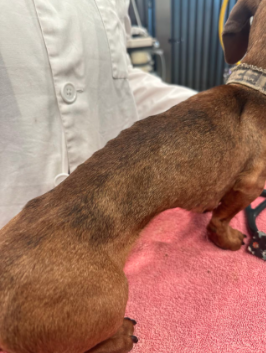
This poor dog saved from a backyard breeder situation was in a terrible condition.
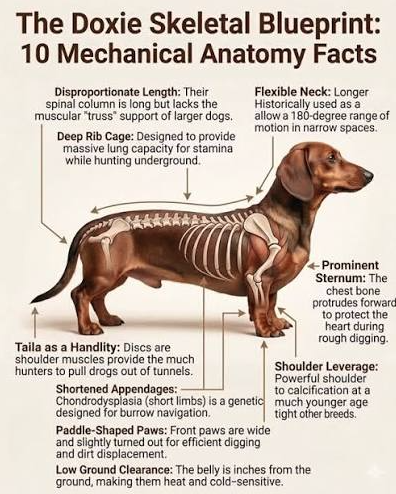
Even ‘ordinary’ coloured Dachshunds can have a variety of health issues, mostly because of a breeder tendency to have over-bred the long back/short legs combination.
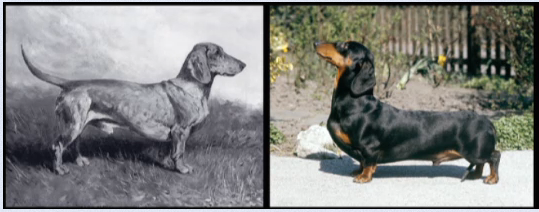
Just look how the breed has changed in the past few decades to now.
So these days, there are three approved types- standard, miniature, and kaninchen (sometimes called ‘rabbit dachshunds’)
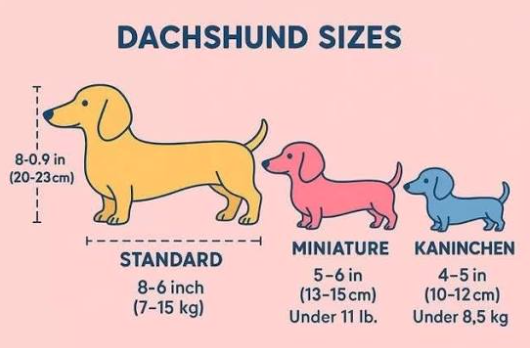
and three coat types- smooth, wire haired and long haired.
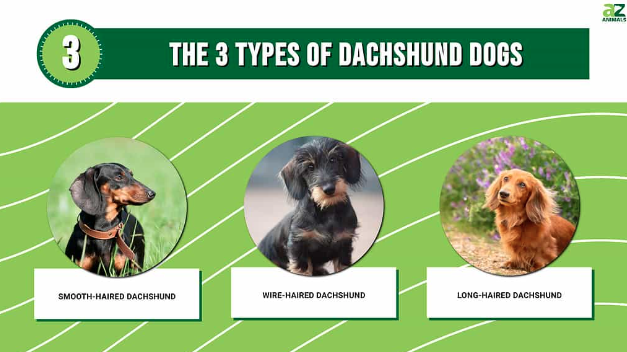
They were one of the first breeds to be recognised by the Kennel Club (UK) from when their records began in 1873. And so without the backyard and puppy mill breeding, and recent extreme developments in leg length and back length, they should be a really stable breed. The UK Kennel Club will not accept or register dachshunds with exaggerated back and leg length. So if you do go to a breeder,
make sure the dogs are in good proportion with its height being half the length of the body and no more or less, with legs at least a quarter of their height;
ask if they are registered with the Kennel Club
ask to see the parents and certifications and health reports on both parents (IVDD scheme, and DNA tests for Cordi1PRA (eye conditions) and Labora Disease (epilepsy))
Contact the Kennel Club and their Borough Council to confirm they do exist as a breeder.
If they don't have any of this proof, you have fallen into the world of the backyard breeder and you need to leave pretty quickly!
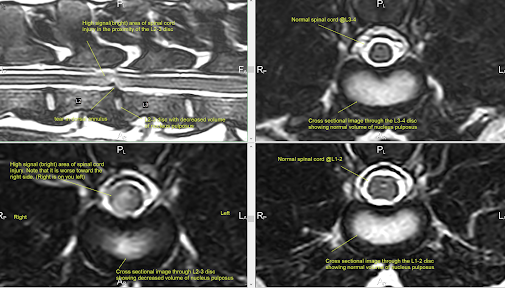
Imaging of dachshund with IVDD versus a ‘normal’ back. For more on IVDD and how a vet checks for IVDD, please read this https://www.sageveterinary.com/blog/3yuuzomy53u1ikk5899c195on8es0s

Typical test sheet for CordiPRA1 ((progressive retinal atrophy)) https://www.dachshundhealth.org.uk/eye-disease
When adopting from a rescue however, there will be no breed certification papers as a dumped or surrendered dog tends not to come with papers, and as the rescue or shelter will not have seen the parents for their health certification, they cannot legally provide such things to a potential adopter. However a responsible dachschund rescue will do extra health checks on this breed to make sure they don't have any breed related conditions such as IVDD (Intervertebral Disc Disease), like spinal imaging and neurological exams and at the least ensure their vets through frequent physical examinations watch out for symptoms like
not wanting to walk,
hunching their backs
shivering a lot
crying out when touched
wobbling
or paw dragging
when the rescue is socialising and walking them.
Dachshunds can also be prone to
obesity, (more info here https://lulopaw.com/blogs/blog/blogs-health-obesity-and-joint-health-in-dachshunds?srsltid=AfmBOoqkPBcWJl3bZoP-YPT_4XZ8edG_jBFr-kUrWke1EpaNePhndyan )
endocrine disorders like Cushing's disease, (https://www.petmd.com/dog/conditions/endocrine/cushings-disease-in-dogs-symptoms-diagnosis more info here)
epilepsy (more info here https://www.ilovedachshunds.com/what-causes-seizures-in-dachshunds/ )
and diabetes (more info here https://www.petmd.com/dog/conditions/endocrine/diabetes-dogs ).
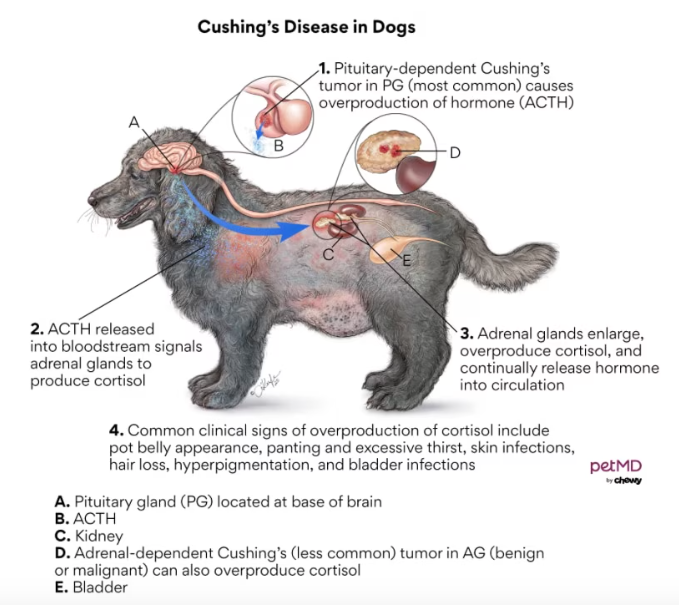
How Cushing’s affects dogs. For more on this https://www.petmd.com/dog/conditions/endocrine/cushings-disease-in-dogs-symptoms-diagnosis
But it’s not all bad news!
IVDD presents in about 25% (1/4)
epilespy has been found in 5%
Cushing’s in only 3%
PRA (major eye issues) only found in 2-3%
and diabetes in 1-3% (provided they are fed appropriately. If not their odds of obesity and diabetes can rise to 25%- of dachshunds who have been vet assessed)
so many dogs of this breed do lead an active, full and very healthy life!
It can be particularly problematic however especially with a small dog to accidentally overfeed, or (as they are incredibly food led usually) give them treats every time they ask, or rely far too much on treat training to generate obedience (as they can be quite stubborn). This is never a good idea. Keeping a dachshund’s weight down and providing proper meal sizes of high quality food alongside an appropriate exercise and activity programme will help to decrease the odds of developing most of these conditions.
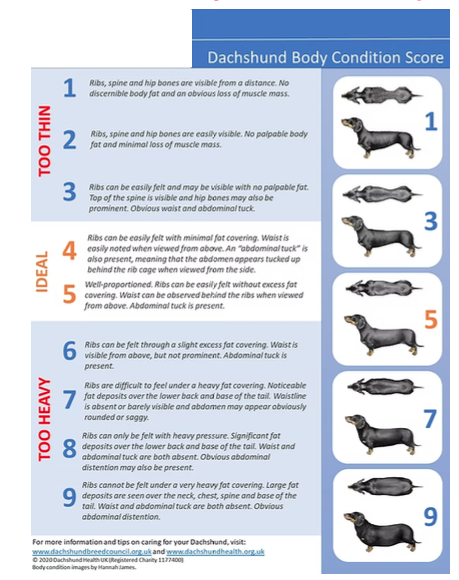
For more on Dachshund body conditions read this link https://www.dachshundhealth.org.uk/body-condition-and-weight
Dachshunds have around as a breed for so long now that they do have a wide colour variation, over time to have different types of camouflage for different types of hunting terrains, so there’s plenty of lovely ‘looks’ to choose from. The most common colour is red (to ‘match’ the clay type soil-like reddish brown they often hunt in), but the UK kennel club states that black and tan, chocolate, tan, and cream or blond, (all of which can present in maximum two colours on the same dog) but not white are the most acceptable colour combinations, with brindles
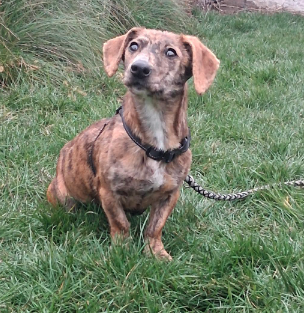
This gorgeous girl was rescued by us after being dumped (now adopted). It’s possible she was abandoned for being the ‘wrong’ (read- not ‘fashionable’) colour and as such not ‘suitable’ for breeding… as the ‘breeder’ would not have wanted to pay extra for individual certification that would have been necessary for a brindle.
and Dapples
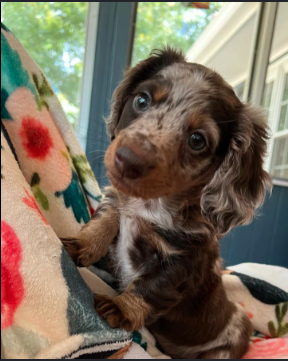
being approved on a case by case decision only.
Any other colours, including a combination of Brindle and Dapple, blues, piebalds (more than two colours), Isabella (fawn) and double Dapples, are usually due to unauthorised or backyard breeding.
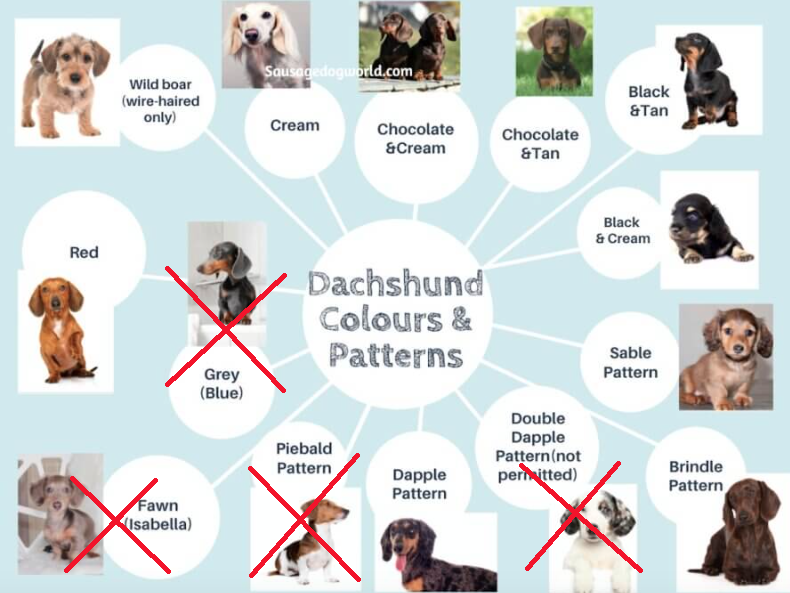
For more on approved colours, read this https://marthersminiaturedachshunds.co.uk/all-about-the-dachshund-breed/
Like other pedigree breeds, dachshunds have different shapes and temperaments depending on whether they have been bred to be show dogs or working dogs. Working dachshunds are often called ‘teckels’ with emphasis put on their physical stamina and tracking ability. This usually means their bodies are leaner, their legs are longer and their prey drive is higher. Show dogs however are bred for what is deemed as ‘physical perfection’, shorter legs, deeper chests and heavier bone structures. Show line daschunds can be more likely to be cuddly companion dogs, but (and it’s a big but) are as likely as working lines to become reactive and neurotic if they do not get breed appropriate enrichment, activities, and walks!
The UK Kennel Club has breeding parameters for size and proportions for a reason. It can apply to any Dachshund, but particularly to the ‘forbidden’ colours. Any dachshund that is bred to have
exaggeratedly long or hooked nose shapes
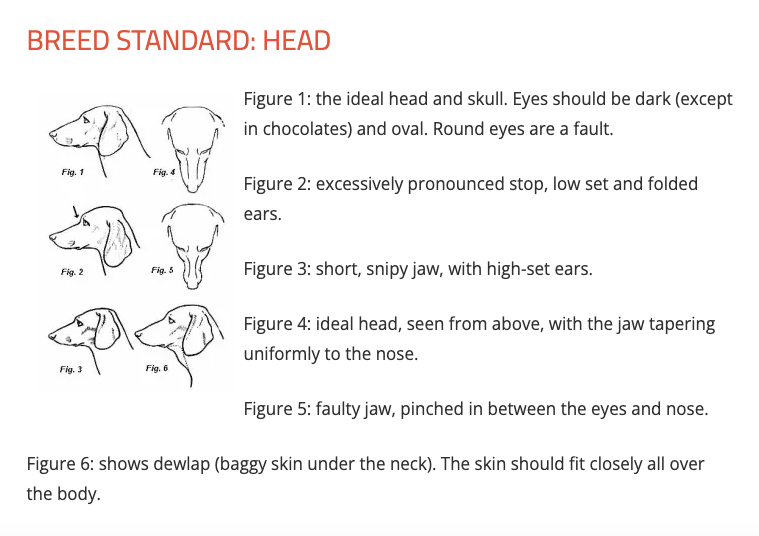
bad back shapes
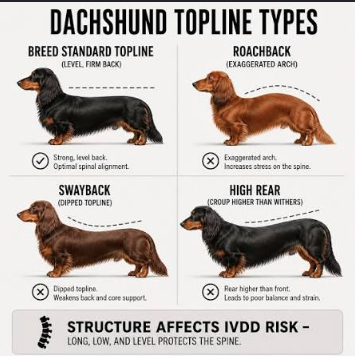
or too-short legs and too-long bodies
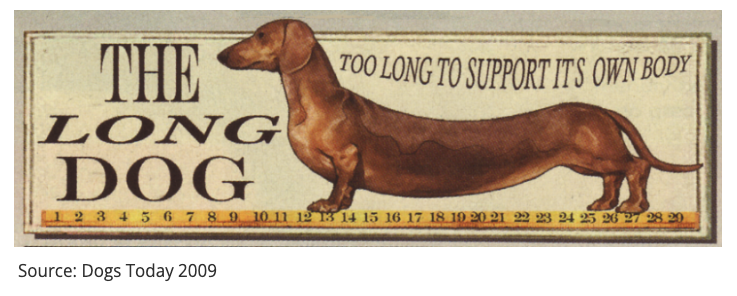
for more on proper breed shapes, try this link from the Dachshund Breed Council https://dachshundbreedcouncil.wordpress.com/uk-breed-standard/not-long-and-not-low-please-read-the-breed-standard/
are highly likely to develop all the above health issues and more, leading to a lot of distress for you and your dog as well as huge vet bills.
So should I give up on adopting a Dachshund? Absolutely not!
But knowledge of the breed is absolutely key. Just the same as any pedigree dog as their colours, shapes, jobs and natures have been deliberately bred to be the way they are by us humans. Particularly what to look out for and what to avoid.
If you want a happy go lucky, noisy, smaller, active dog with a big personality, one that often shows very high levels of loyalty and affection as well as a unique look, that, provided they have enrichment, adapt very well to apartment and small property living, can live to 16 years old or more, and have respectful resident children who won’t try to pick them up and hug them all the time, or resident dogs to take into account (as they often love having a doggy buddy), then a Dachshund could absolutely be the dog for you.
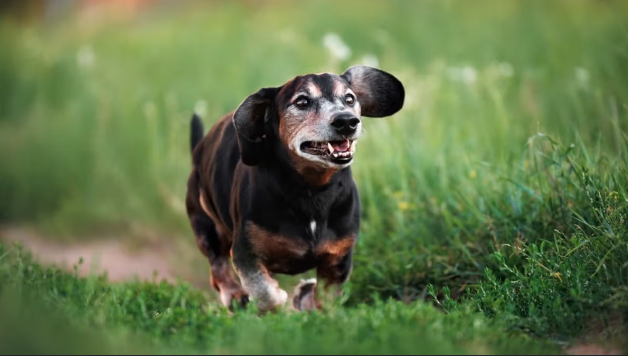
And we hope this blog has both provided you with the right tools, as well as helping you to make up your mind as to whether you would be a good fit for this wonderful breed!
FURTHER READING
can be found in the picture sources and captions by clicking the links below the pictures, or the pictures themselves.